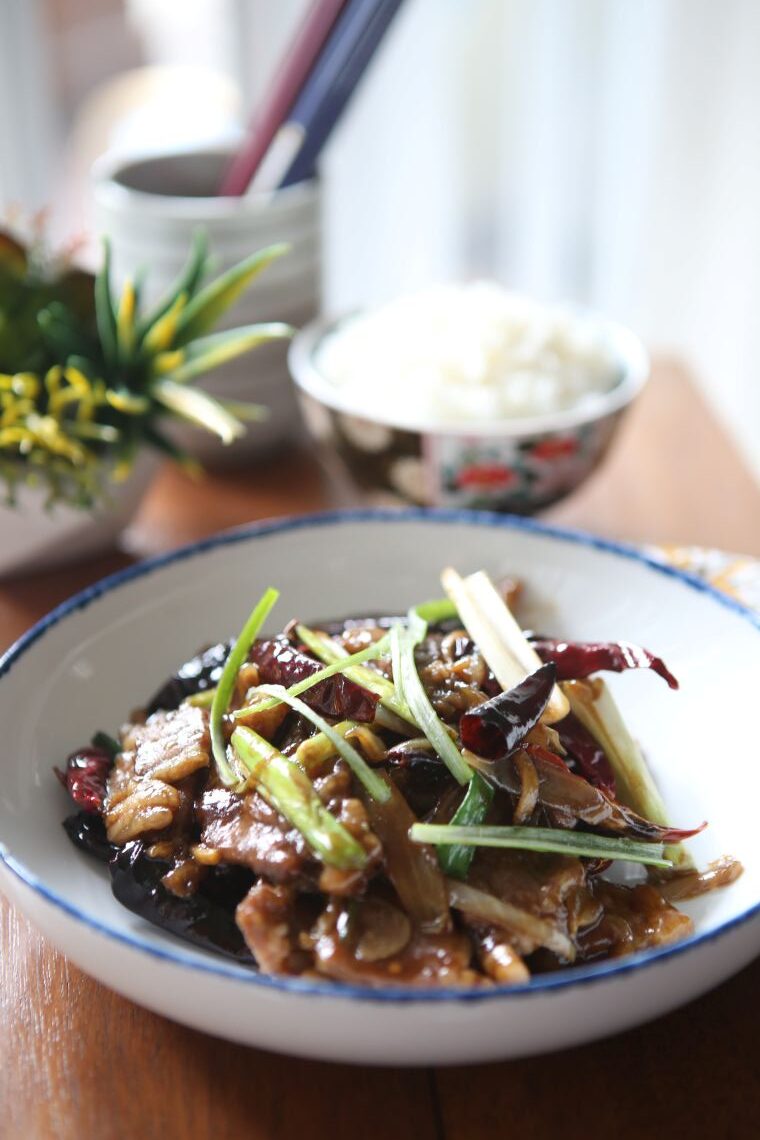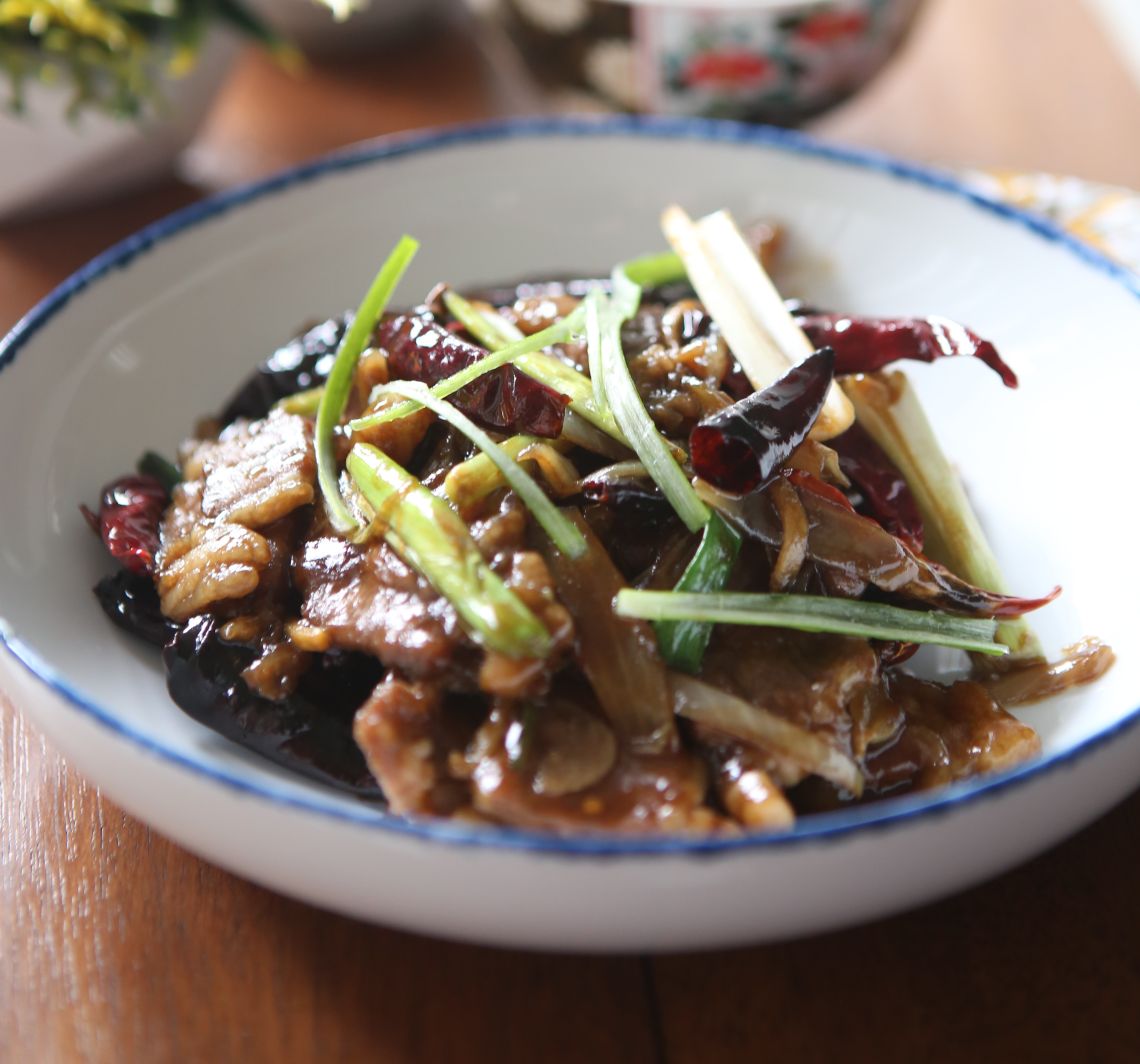
A Taste of Travel: My Mongolian Beef
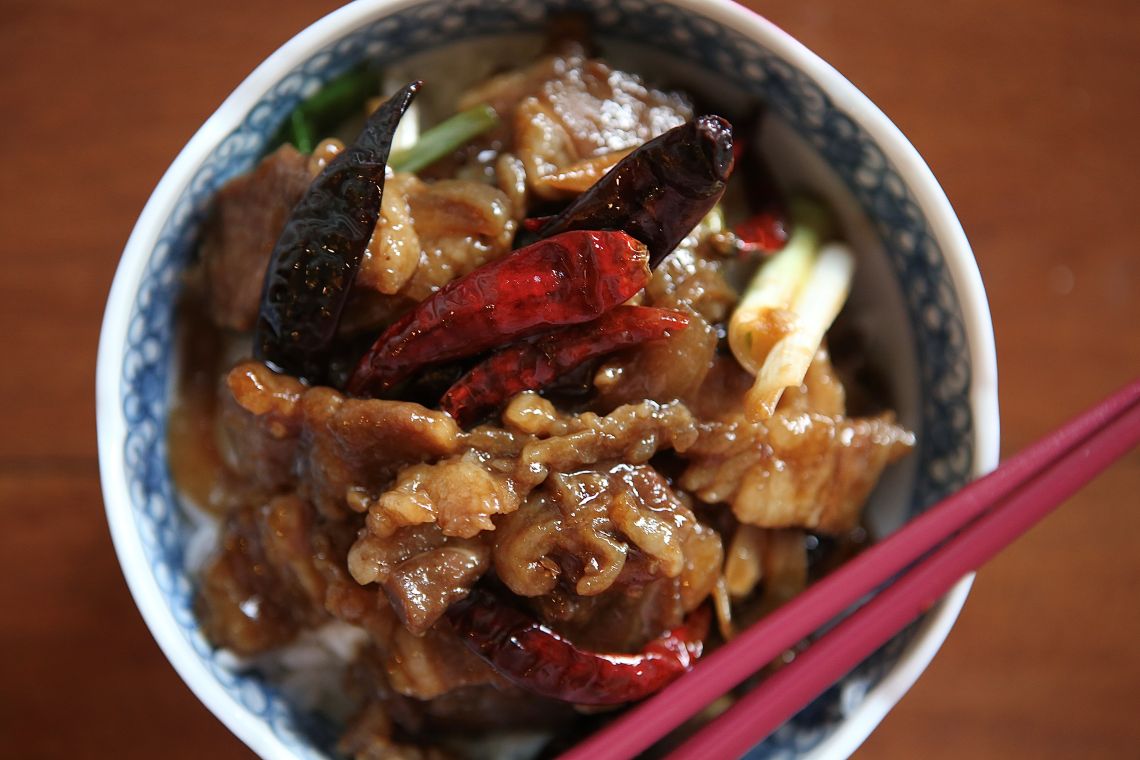
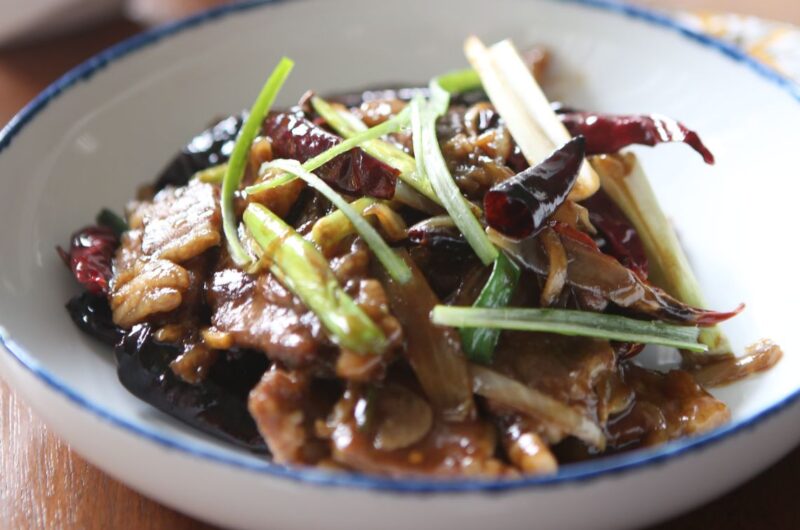
Mongolian Beef
Course: Main, Lunch, DinnerCuisine: ChineseDifficulty: Easy, IntermediateServings
4
servingsPrep time
45
minutesCooking time
15
minutesCalories
375
kcalCook Mode
Keep the screen of your device on
Ingredients
400g (14 oz) flank steak [ I prefer sirloin with a little fat]
2 tbsp vegetable oil
1 red onion, cut into wedges
10 dried chilies
4cm piece ginger, finely chopped
2 garlic cloves, roughly chopped
2 dried red chillies, roughly chopped
1 tbsp corn flour (cornstarch) mixed with 1 tbsp water
4 spring onions (scallions), cut into batons
- Marinade:
1 tbsp soy sauce
1 tbsp Chinese Shaoxing wine
½ tsp baking soda
3 tsp corn flour (cornstarch)
- Stir-fry sauce sauce:
¼ cup soy sauce
¼ cup chicken stock
3 tbsp brown sugar
2 tbsp Chinese Shaoxing wine
Directions
- Step 1 — Slice the beef
1. Place the beef on a clean cutting board.
2. Look for the direction of the long muscle fibres running through the meat.
3. Slice across the fibres, not along them, into thin strips about 3–5 mm thick.
4. Keep the slices as even as possible so they cook quickly and evenly.
Chef’s tip: If the beef is too soft to slice neatly, place it in the freezer for 15–20 minutes to firm it up slightly. - Step 2 — Marinate the beef
1. Place the sliced beef in a mixing bowl.
2. Add the soy sauce, Shaoxing wine, baking soda and corn flour.
3. Mix thoroughly with clean hands or a spoon until every piece is coated.
4. Leave to marinate for 15–20 minutes while preparing the remaining ingredients.
Chef’s tip: The baking soda helps tenderize the beef, while the corn flour creates a light coating that helps keep the meat juicy. Measure the baking soda carefully; too much can give the beef an unpleasant taste. - Step 3 — Prepare the sauce
1. In a small bowl, combine the soy sauce, chicken stock, brown sugar and Shaoxing wine.
2. Stir until the sugar is mostly dissolved.
3. In a separate small bowl, mix the corn flour with the water until smooth. This is your thickening mixture.
4. Set both bowls beside the stove so they are ready to use.
Chef’s tip: Always mix the corn flour with cold or room-temperature water before adding it to the hot sauce. This prevents lumps from forming. - Step 4 — Cook the beef
1. Heat the vegetable oil in a wok or large frying pan over high heat.
2. When the oil is hot, add the beef in a single layer. If your pan is small, cook in two batches.
3. Let the beef sear briefly, then stir-fry for approximately 2 minutes, until lightly browned and nearly cooked through.
4. Transfer the beef to a clean plate. Keep any juices that collect on the plate to add back to the sauce later.
Chef’s tip: Do not overcrowd the pan. Too much beef at once lowers the temperature and causes the meat to steam rather than brown. - Step 5 — Cook the aromatics
1. Using the same wok, add a little more oil if the pan looks dry.
2. Add the red onion wedges, chopped ginger, garlic and dried chillies.
3. Stir-fry for about 1 minute until fragrant and the onion begins to soften.
4. Keep the ingredients moving so the garlic and ginger do not burn.
Chef’s tip: If you prefer a milder dish, remove the seeds from the dried chillies or use only one chilli. - Step 6 — Add the sauce and thicken
1. Pour the prepared stir-fry sauce into the wok.
2. Stir gently and bring the sauce to a simmer for about 30–60 seconds.
3. Give the corn flour mixture another stir, then pour it slowly into the simmering sauce while stirring continuously.
4. Cook for another 30–60 seconds, until the sauce becomes glossy and lightly thickened.
Chef’s tip: Add the thickening mixture gradually. The sauce should coat the back of a spoon without becoming too thick or sticky. If it thickens too much, add a splash of chicken stock or water. - Step 7 — Return the beef to the wok
1. Return the beef to the wok, including any collected juices.
2. Add the spring onion batons.
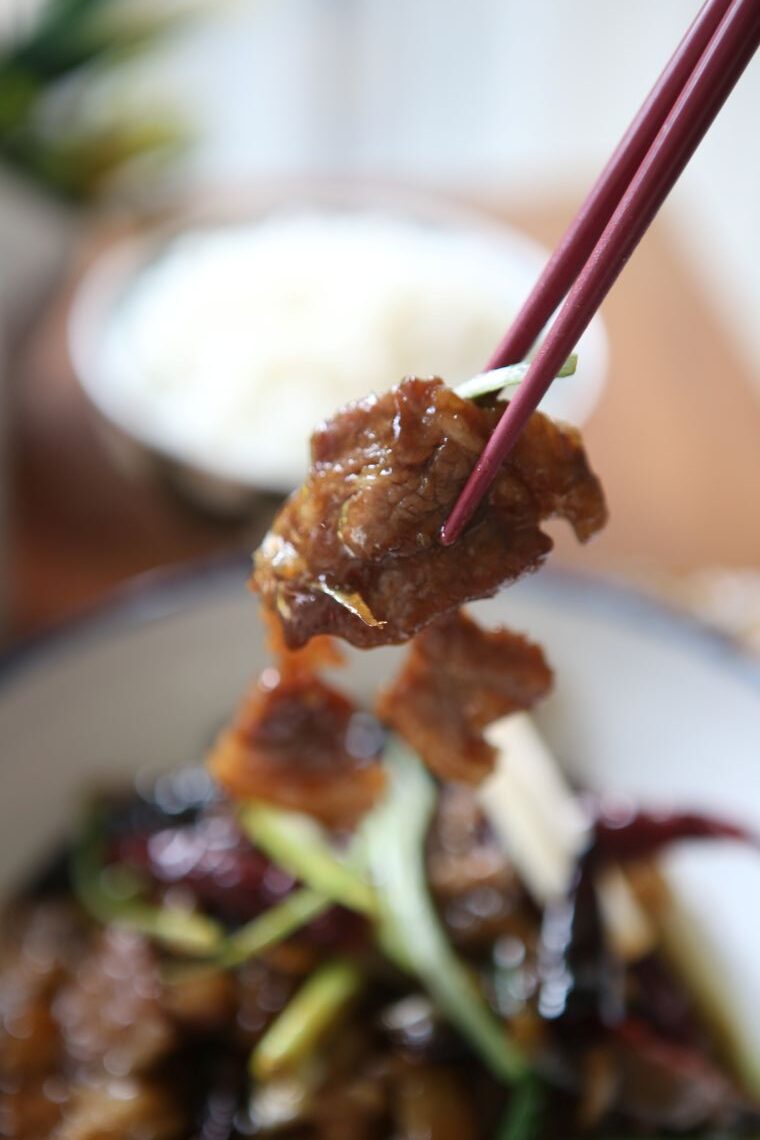
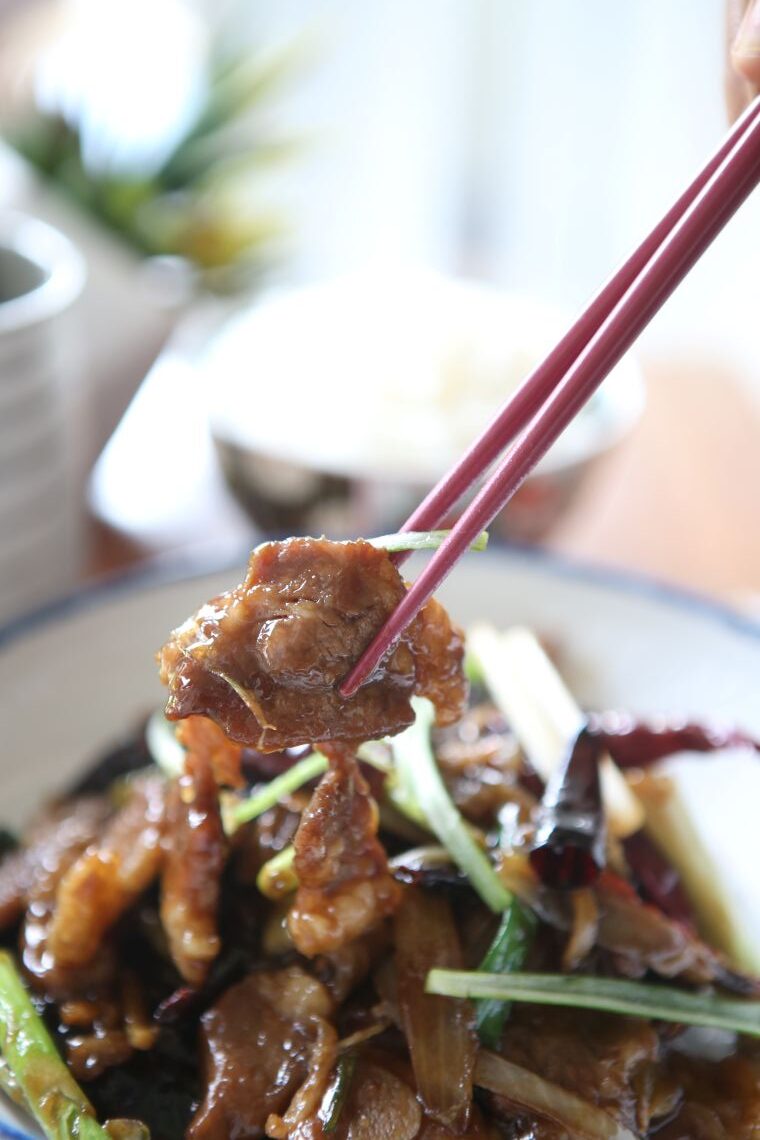
3. Toss everything together for 1–2 minutes, until the beef is fully cooked and evenly coated in the sauce.
4. Taste the sauce. Add a little water if it is too concentrated, or a small pinch of sugar if you prefer it sweeter.
Chef’s tip: Avoid cooking the beef for too long after returning it to the wok. The goal is tender meat coated in sauce, not dry or chewy beef. Ensure the beef is safely cooked through. - Step 8 — Serve and enjoy
1. Turn off the heat once the sauce reaches your preferred consistency.
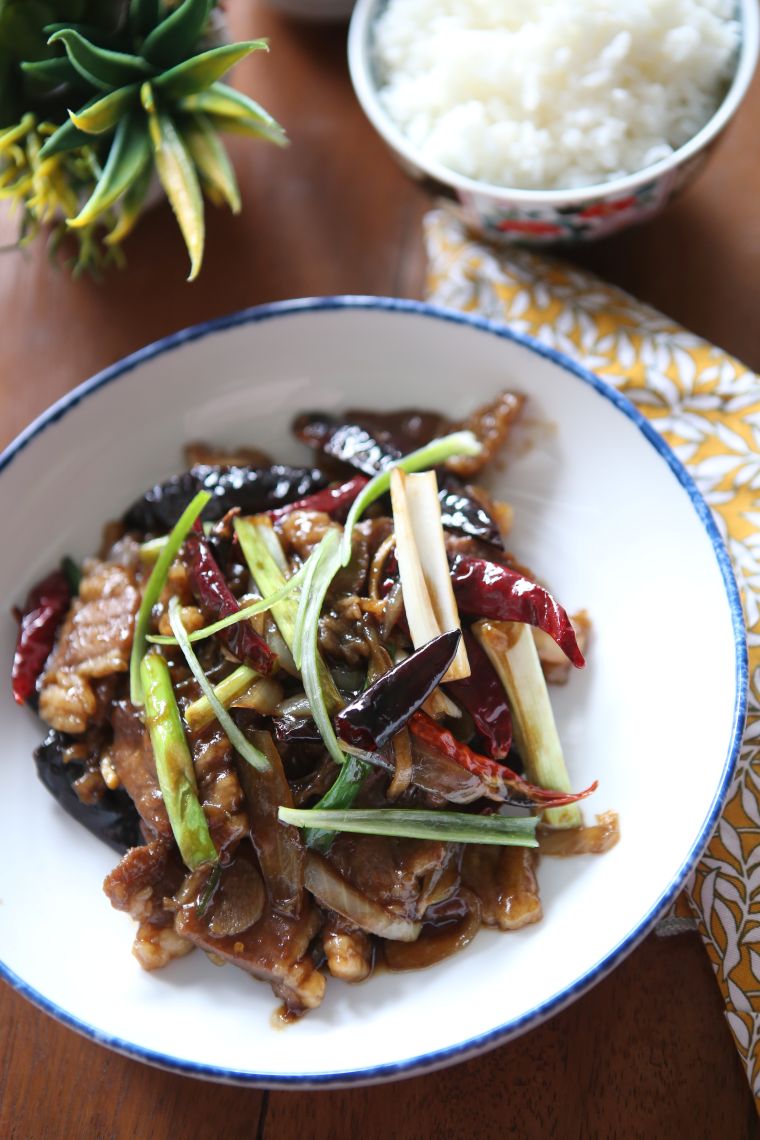
2. Transfer the Mongolian beef to a warm serving plate.
3. Garnish with extra spring onions and, if desired, toasted sesame seeds.
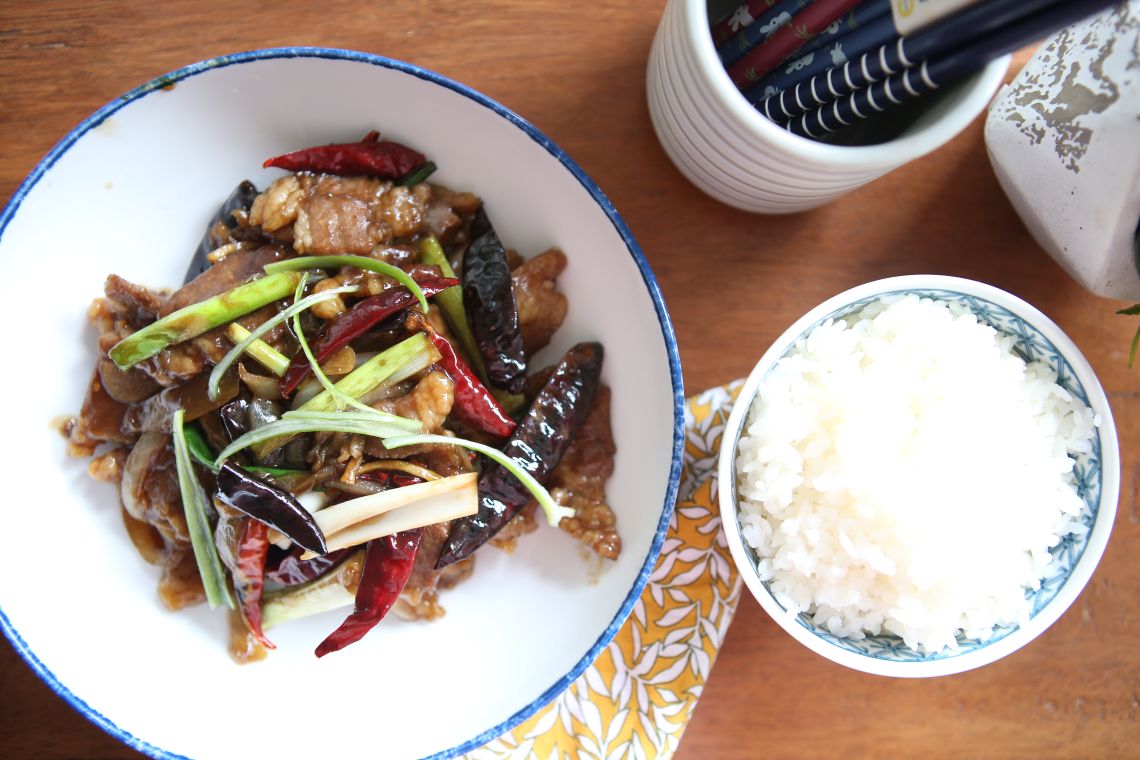
4. Serve immediately with steamed jasmine rice or egg-fried rice.
Notes
- Sandra’s kitchen notes
• For tender beef: Always slice against the grain and marinate before cooking.
• For better browning: Use a very hot pan and cook the beef in batches if necessary.
• For a balanced sauce: Taste before serving; soy sauces vary in saltiness, so adjust with a little water or sugar as needed.
• For preparation ahead: Slice the beef, mix the sauce and prepare the vegetables in advance. Stir-fry just before serving for the best texture.
From My Kitchen Is Yours — Sandra Djohan - Chef Sandra’s Tips
• For golden tofu: Make sure the pan and oil are hot before adding the tofu. Turn the pieces gently.
• For better flavour: Use the strained shiitake soaking water to give the sauce a deeper mushroom flavour.
• For crisp vegetables: Avoid overcooking the broccoli, cauliflower, and snow peas.
• For the perfect sauce: Stir the cornstarch slurry again just before adding it, as the starch settles at the bottom.
• For a beautiful presentation: Arrange the tofu on top of the vegetables in the clay pot, with the mushrooms and bright green snow peas visible.
Serving suggestion: Serve immediately with steamed jasmine rice for a simple, comforting meal.