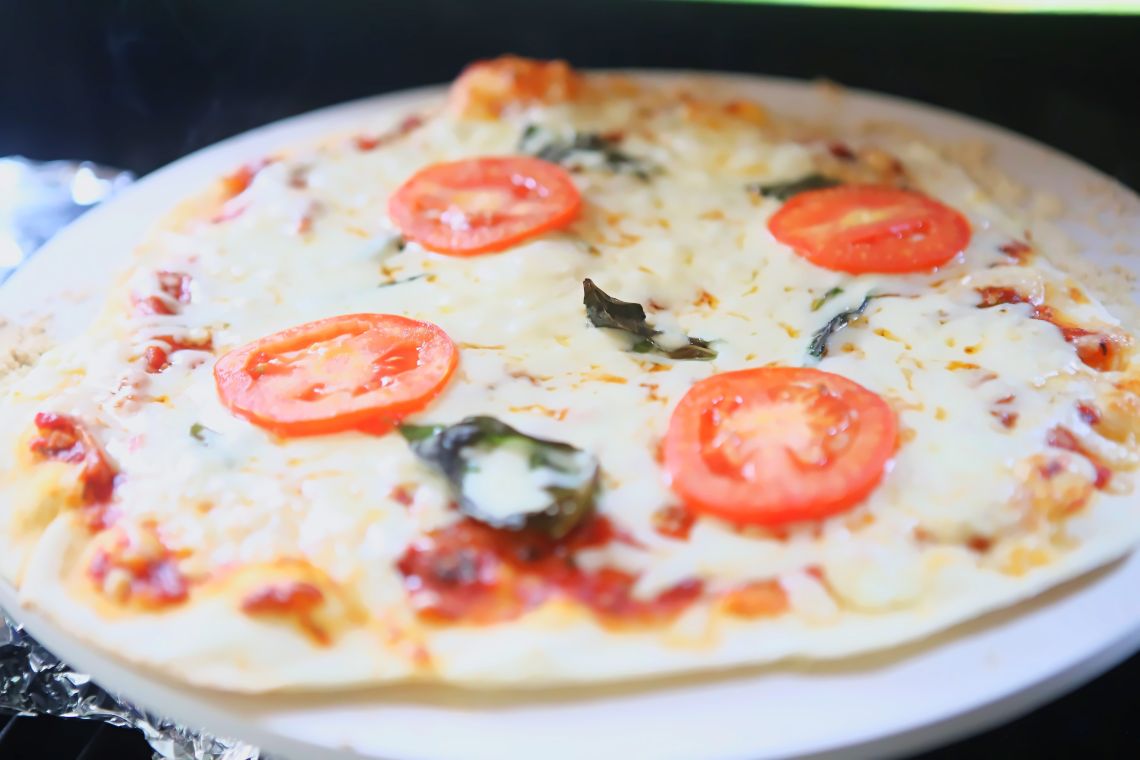

Homemade Margherita Pizza
Course: MainCuisine: ItalianDifficulty: IntermediateServings
6
servingsPrep time
35
minutesCooking time
12
minutesCook Mode
Keep the screen of your device on
Ingredients
- For the Pizza Dough
600 g strong bread flour, plus extra for dusting
390 ml lukewarm water, divided
4 g instant yeast
12 g fine sea salt
15 ml olive oil, plus extra for greasing
Flour note: Bread flour gives a pleasantly chewy crust and works well in a domestic oven. You may use pizza flour suitable for your oven temperature; different flours may absorb water differently.
- For the Tomato Sauce
400 g canned whole peeled tomatoes
1 tablespoon extra-virgin olive oil
½ teaspoon fine sea salt, or to taste
4 fresh basil leaves, torn
- For the Topping
300 g fresh mozzarella, thoroughly drained
12–18 fresh basil leaves
1–2 tablespoons extra-virgin olive oil
- For Shaping and Baking
Fine semolina or flour, for lightly dusting the work surface and pizza peel
Directions
- Prepare the mozzarella
Tear the mozzarella into small pieces and place it in a sieve over a bowl. Refrigerate for at least 1 hour, then gently blot with kitchen paper before using.
Fresh mozzarella releases moisture during baking. Draining it well helps prevent a wet centre. - Mix the flour, water, and yeast
Place the flour and instant yeast in a large mixing bowl. Add 370 ml of the water, reserving the remaining 20 ml.
Mix with your hand or a sturdy spoon until no dry flour remains. The dough will look rough and feel slightly sticky.
Cover and leave for 20 minutes. This gives the flour time to absorb the water and makes kneading easier. - Add the salt and olive oil
Dissolve the salt in the reserved 20 ml water. Add it to the dough, then squeeze and fold the dough until the liquid is incorporated.
Add the olive oil and continue mixing. The dough may briefly become slippery or separate into strands; keep working it until it comes together. - Knead until smooth and elastic
Transfer the dough to a clean work surface and knead for 8–12 minutes.
Push the dough away with the heel of your hand, fold it back over itself, and rotate it slightly. Repeat until it becomes smoother, stretchy, and elastic.
Alternatively, knead with a dough hook on low to medium-low speed for approximately 6–8 minutes, following your mixer’s capacity guidelines.
What to look for:
• The dough feels supple and slightly tacky.
• It holds together as a smooth ball.
• A small piece stretches into a thin membrane before tearing.
Avoid adding excessive flour. If the dough is difficult to handle, cover it and rest for 5–10 minutes, then continue kneading. - Allow the first rise
Lightly grease a large bowl with olive oil. Place the dough inside and turn it once to coat.
Cover and leave at a comfortable room temperature for approximately 1–1½ hours, until noticeably puffed and close to doubled in volume.
In a warm kitchen, check earlier. Use the appearance of the dough as your guide. - Divide and shape the dough balls
Turn the dough onto a lightly floured surface. Divide into 3 equal portions, approximately 340 g each.
For each portion:
1. Gently bring the edges towards the centre.
2. Pinch them together to form a seam.
3. Turn the dough seam-side down.
4. Cup your hand around it and gently draw it across the work surface to create a smooth, lightly taut ball.
Place the balls in lightly oiled containers or on a tray with enough room to expand. Cover well to prevent a dry skin from forming. - Rest the dough balls
Leave for 45–75 minutes, until relaxed, slightly expanded, and easy to stretch.
If a dough ball springs back strongly when pressed, it needs more resting time. - Prepare the tomato sauce
Crush the canned tomatoes by hand or pulse briefly with a blender. Keep a little texture rather than blending into a completely smooth liquid