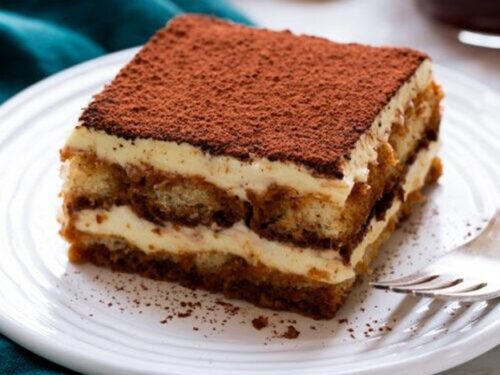
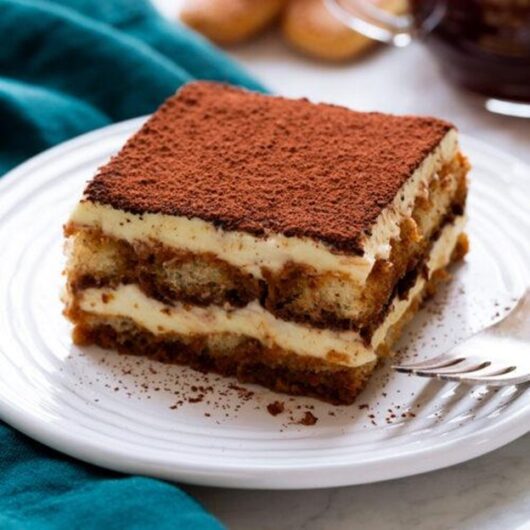
Classic Italian Tiramisu
Course: DessertCuisine: ItalianDifficulty: ModerateServings
12
servingsPrep time
30
minutesCooking time
10
minutesCook Mode
Keep the screen of your device on
Ingredients
- 1. Coffee Soaking Mixture
300 ml strong brewed coffee or espresso, cooled, plus extra if needed
2 tablespoons dark rum, optional
2 tablespoons granulated white sugar
- 2. Zabaglione Custard
4 large egg yolks, at room temperature
100 g granulated white sugar
120 ml sweet Marsala wine
- 3. Mascarpone Cream Filling
450 g mascarpone cheese, chilled
240 ml heavy whipping cream, containing at least 36% milk fat
¼ teaspoon fine salt
- 4. For Assembly and Finishing
300 g savoiardi biscuits (Italian ladyfingers), enough for two layers
1 tablespoon unsweetened cocoa powder, or more as needed
Directions
- Step 1 — Prepare the Coffee Mixture
1. Brew strong coffee or espresso and allow it to cool completely to room temperature.
2. Pour the coffee into a shallow dish wide enough to dip the savoiardi biscuits.
3. Add the sugar and stir until completely dissolved.
4. Add the dark rum, if using, and mix well.
5. Set aside while preparing the mascarpone filling.
Chef's tip: Always use cooled coffee. Hot coffee softens the biscuits too quickly and can make the finished tiramisu watery. - Step 2 — Make the Zabaglione Custard
1. Fill a medium saucepan with a few centimetres of water and bring it to a gentle simmer.
2. Place the egg yolks, sugar and Marsala wine in a heatproof bowl that fits securely over the saucepan. Ensure the bottom of the bowl does not touch the water.
3. Whisk the ingredients until well combined and slightly lighter in colour.
4. Place the bowl over the simmering water and whisk continuously for approximately 8–10 minutes. Scrape the sides and bottom of the bowl regularly to prevent the mixture from cooking unevenly.
5. Continue whisking until the mixture becomes pale, thick and creamy, forming ribbons that briefly remain on the surface before disappearing.
6. For food safety, use a thermometer and bring the egg mixture to 71°C (160°F), taking care not to scramble the yolks.
7. Remove the bowl from the heat and place it over a larger bowl of ice water. Make sure no water enters the custard.
8. Whisk occasionally until the zabaglione cools completely to room temperature.
Why this step matters: Gentle cooking creates a smooth custard while reducing the risks associated with raw eggs. Cooling the zabaglione before combining it with the mascarpone and whipped cream helps maintain the filling's structure. - Step 3 — Whip the Cream
1. Pour the cold whipping cream into a clean mixing bowl.
2. Using an electric mixer, whip at medium speed until the cream begins to thicken.
3. Continue whipping until firm peaks form. The cream should hold its shape but remain smooth and supple.
4. Avoid overwhipping, as the cream may become grainy or begin to separate.
Chef's tip: Cold cream whips more efficiently and creates a stable filling. If the kitchen is warm, chill the mixing bowl and whisk before starting. - Step 4 — Prepare the Mascarpone Mixture
1. Place the chilled mascarpone in a separate mixing bowl.
2. Gently stir with a spatula until smooth and spreadable.
3. Add the cooled zabaglione in two or three additions, mixing gently after each addition until incorporated.
4. Add the salt and mix until evenly distributed.
5. Stop as soon as the mixture is smooth. Excessive beating can cause mascarpone to become grainy or split. - Step 5 — Fold in the Whipped Cream
1. Add approximately one-third of the whipped cream to the mascarpone mixture.
2. Fold gently with a flexible spatula to lighten the mixture.
3. Add the remaining whipped cream in two additions.
4. Fold from the bottom of the bowl upwards while rotating the bowl.
5. Continue until no obvious streaks remain and the filling is smooth, light and uniform.
Chef's tip: Folding rather than vigorous mixing preserves the air incorporated into the cream, creating a delicate, mousse-like texture. - Step 6 — Assemble the First Biscuit Layer
1. Dip one savoiardo at a time into the cooled coffee mixture for approximately 1–2 seconds per side, adjusting the time according to the biscuit's thickness and absorbency.
2. Lift each biscuit immediately and allow excess coffee to drip off.
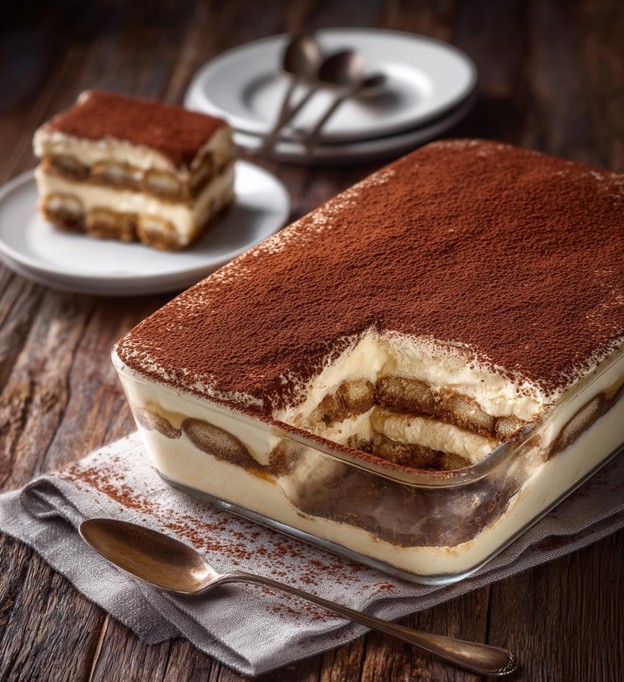
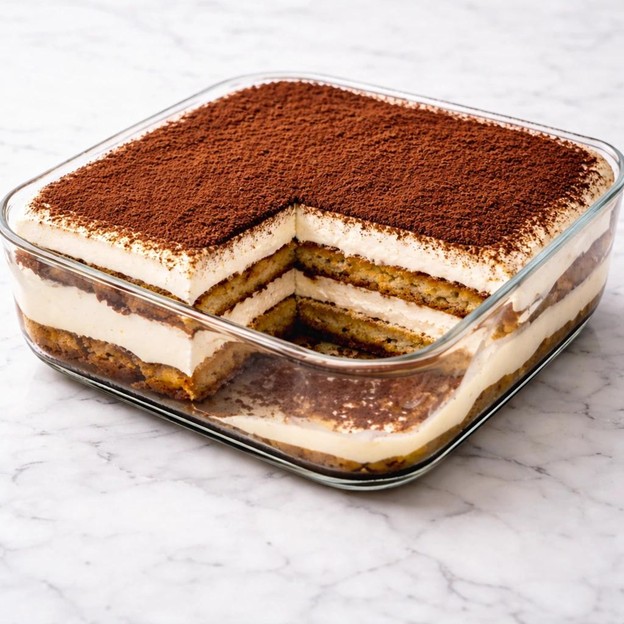
3. Arrange the biscuits in a single, snug layer across the bottom of a 23 × 33 cm serving dish.
4. Break a few biscuits if necessary to fill small gaps.
Important: The biscuits should absorb enough coffee to develop flavour while retaining their structure. Do not soak them until completely soft, as they will continue absorbing moisture during chilling. - Step 7 — Add the First Layer of Cream
1. Spoon half of the mascarpone filling over the first biscuit layer.
2. Spread it gently with an offset spatula or the back of a spoon.
3. Ensure the filling reaches the corners and edges of the dish.
4. Smooth the surface evenly without pressing too firmly. - Step 8 — Add the Second Biscuit Layer
1. Briefly dip the remaining savoiardi biscuits into the coffee mixture.
2. Arrange them over the first cream layer, placing them close together.
3. Keep the layer level and avoid pressing the biscuits into the cream.
4. Use only enough coffee to flavour the biscuits. Discard any remaining soaking liquid once assembly is complete. - Step 9 — Finish the Mascarpone Layer
1. Spread the remaining mascarpone filling evenly over the second biscuit layer.
2. Smooth the top with an offset spatula, creating a clean, level surface.
3. Wipe away any cream that has spilled over the edges of the dish.
4. Cover carefully with cling film or a fitted lid, avoiding contact with the cream. - Step 10 — Chill the Tiramisu
1. Refrigerate for at least 6 hours, preferably overnight.
2. Keep the dish level and undisturbed while the filling firms.
3. Before serving, check that the cream is set and the biscuits have softened without becoming watery.
4. Just before serving, sift the unsweetened cocoa powder evenly over the surface.
Why chilling is essential: The biscuits gradually absorb moisture from the coffee and cream, while the filling firms and the flavours meld. This produces a cohesive dessert that is easier to portion neatly. - Step 11 — Portion and Serve
1. Dip a sharp knife into hot water and wipe it dry before cutting.
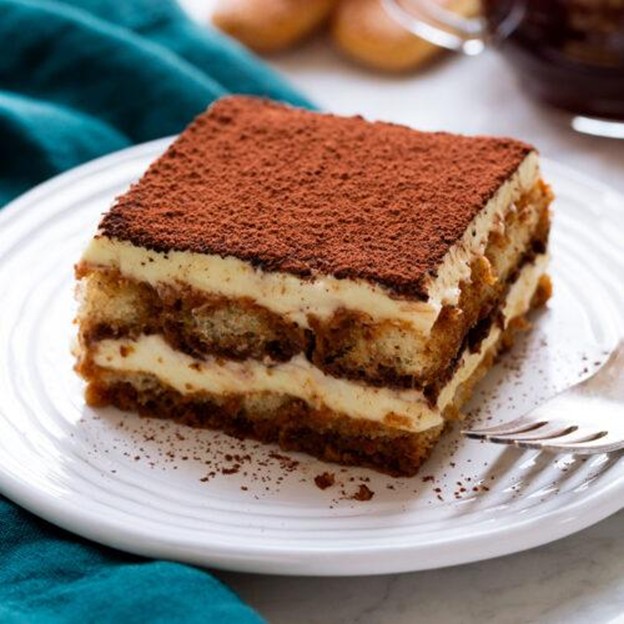
2. Cut into 12 portions, cleaning the knife between cuts for neat edges.
3. Lift each portion carefully with a cake server or broad spatula.
4. Serve chilled, with the cocoa powder freshly applied.
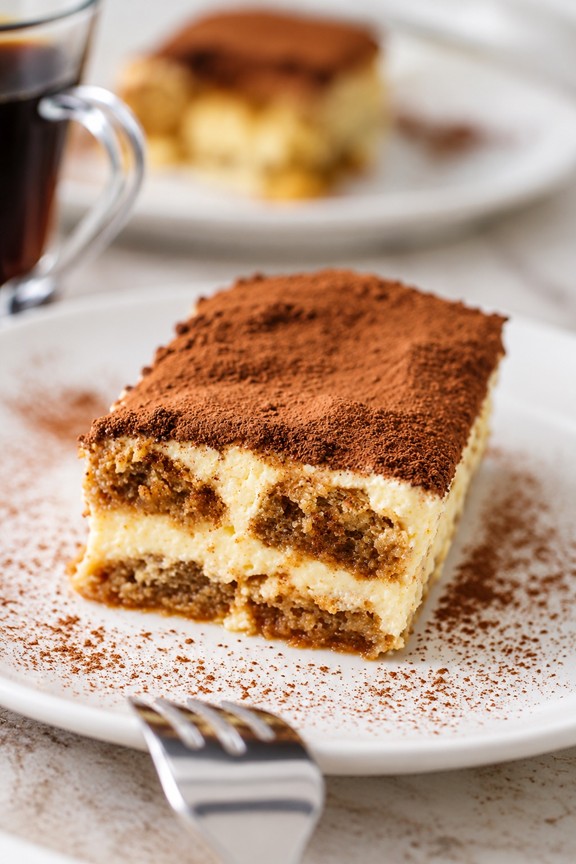
For an elegant presentation, serve on a simple white plate and keep the garnish minimal. A small cup of espresso alongside the tiramisu complements the creamy sweetness and roasted coffee notes.
Notes
- Chef's Notes and Tips for Success
• Choose good-quality mascarpone: Full-fat mascarpone creates a rich, creamy filling and a clean finish.
• Use strong coffee: Espresso or concentrated brewed coffee provides the depth needed to balance the sweetness.
• Adjust dipping time: Savoiardi vary in density, so dip them briefly and adapt to the brand.
• Cool the zabaglione completely: Warm custard can soften the whipped cream and compromise the filling.
• Fold gently: A light hand preserves the air in the cream and prevents the filling from becoming runny.
• Apply cocoa just before serving: This keeps the surface attractive and prevents the powder from becoming damp.
• Make ahead: Tiramisu is especially delicious after resting overnight and can be prepared up to two days in advance. - Variations and Substitutions
Alcohol-free tiramisu
Omit the rum and replace the Marsala wine with 1 teaspoon of vanilla extract. Because vanilla adds very little liquid, the zabaglione will cook more quickly. Monitor its consistency carefully and ensure it reaches the appropriate temperature.
Caffeine-free tiramisu
Replace regular coffee or espresso with strong decaffeinated coffee.
Firmer mascarpone filling
To stabilise the whipped cream, sprinkle 1 teaspoon powdered gelatin over 4 teaspoons cold water and allow it to bloom for 3–4 minutes. Gently heat until dissolved, then cool until slightly warm but still liquid.
Incorporate gradually into the cream at the soft-peak stage while mixing on low speed, then continue whipping to firm peaks. Avoid adding hot gelatin directly to cold cream, as this can create lumps or strands.
Frozen tiramisu
Freeze well-covered portions for a firmer, semifreddo-like texture. Allow them to soften briefly in the refrigerator before serving, according to your preferred consistency. - Storage and Food Safety
• Refrigeration: Cover and store at 4°C (40°F) or below. For best quality, enjoy within 3–5 days.
• Freezing: Freeze well-covered portions for up to one month. Thaw in the refrigerator and apply fresh cocoa powder before serving.
• Food safety: Although the zabaglione is cooked, maintain refrigeration throughout storage and avoid leaving the dessert at room temperature for extended periods. Pasteurised eggs are another option, particularly when serving vulnerable guests.
From My Kitchen to Yours — Sandra Djohan
Tiramisu is a beautiful reminder that a few carefully chosen ingredients can create something truly memorable. The gentle bitterness of coffee, the richness of mascarpone and the delicate sweetness of the custard come together in a dessert that is both elegant and comforting. Give it time to rest, serve it cold, and let the simplicity of this Italian classic speak for itself.